
Recently, Water Linked joined a gathering of leading representatives from the Norwegian Navy, researchers from SINTEF and NTNU, and several innovative ocean technology companies in Trondheim. The event focused on one of Norway's most pressing challenges: how technology can help strengthen maritime security and defense capabilities in an increasingly complex security environment.
With Norway responsible for vast ocean areas and critical subsea infrastructure, the need for smarter, more autonomous maritime operations has never been greater. Throughout the day, participants discussed how stronger collaboration between defense organizations, research institutions, and industry can accelerate the development of technologies that improve situational awareness, operational efficiency, and security at sea.
Research, Innovation, and Underwater Awareness
Presentations from SINTEF Ocean and NTNU highlighted ongoing efforts to develop advanced autonomous systems, underwater robotics, and next-generation surveillance capabilities. One example was the European SHIELD project, which aims to create an "Unmanned Underwater Supersystem" connecting autonomous underwater vehicles, sensors, divers, surface vessels, and digital services into a unified underwater surveillance network.
The discussions reinforced a clear trend across the defense sector: future maritime operations will rely heavily on autonomous systems, real-time data, and advanced underwater sensing technologies.
Water Linked's Contribution
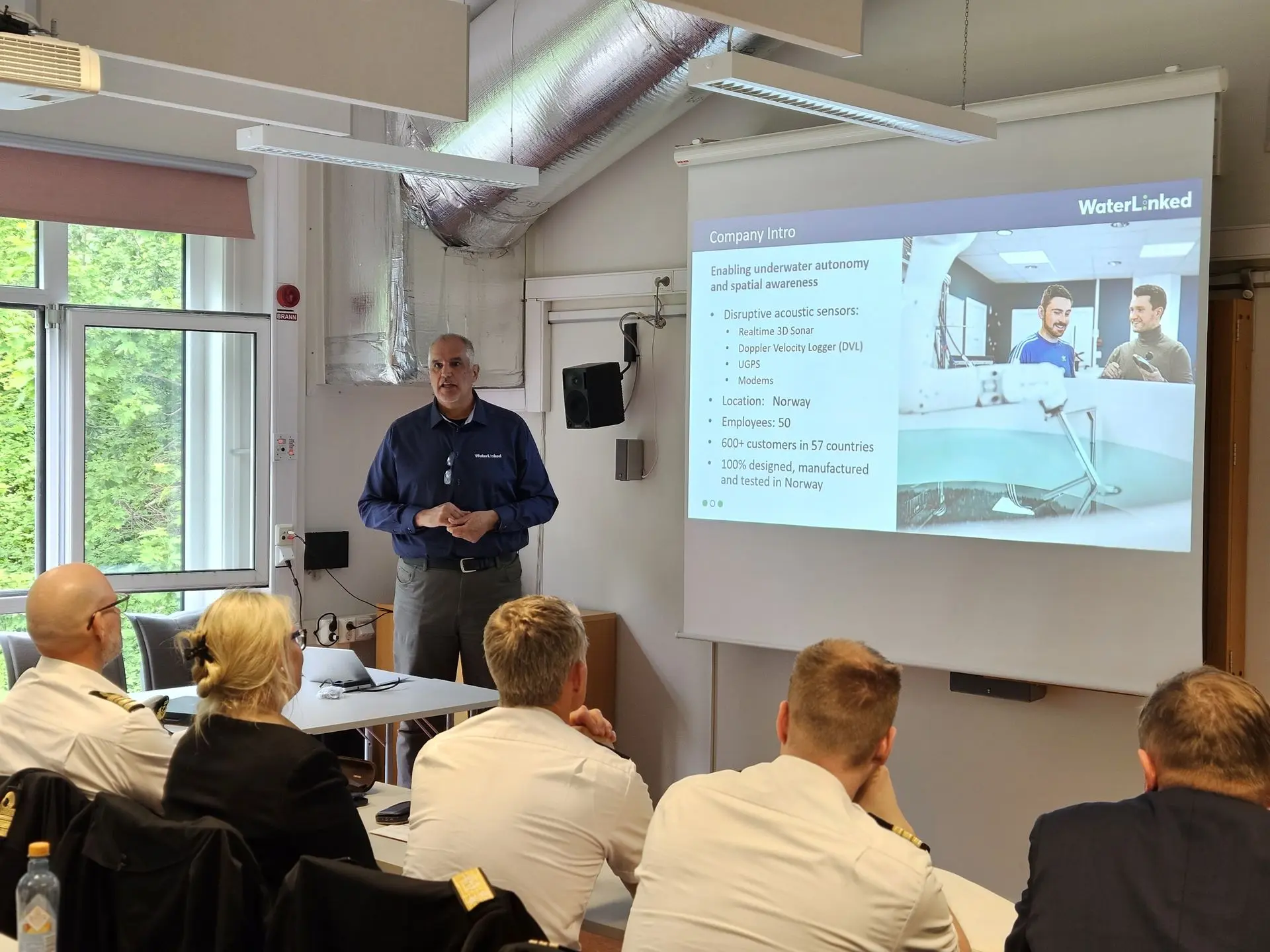
Alejandro Basauri, Business Development Manager from Water Linked, presented how compact, high-performance underwater sensors can help enable this transformation.
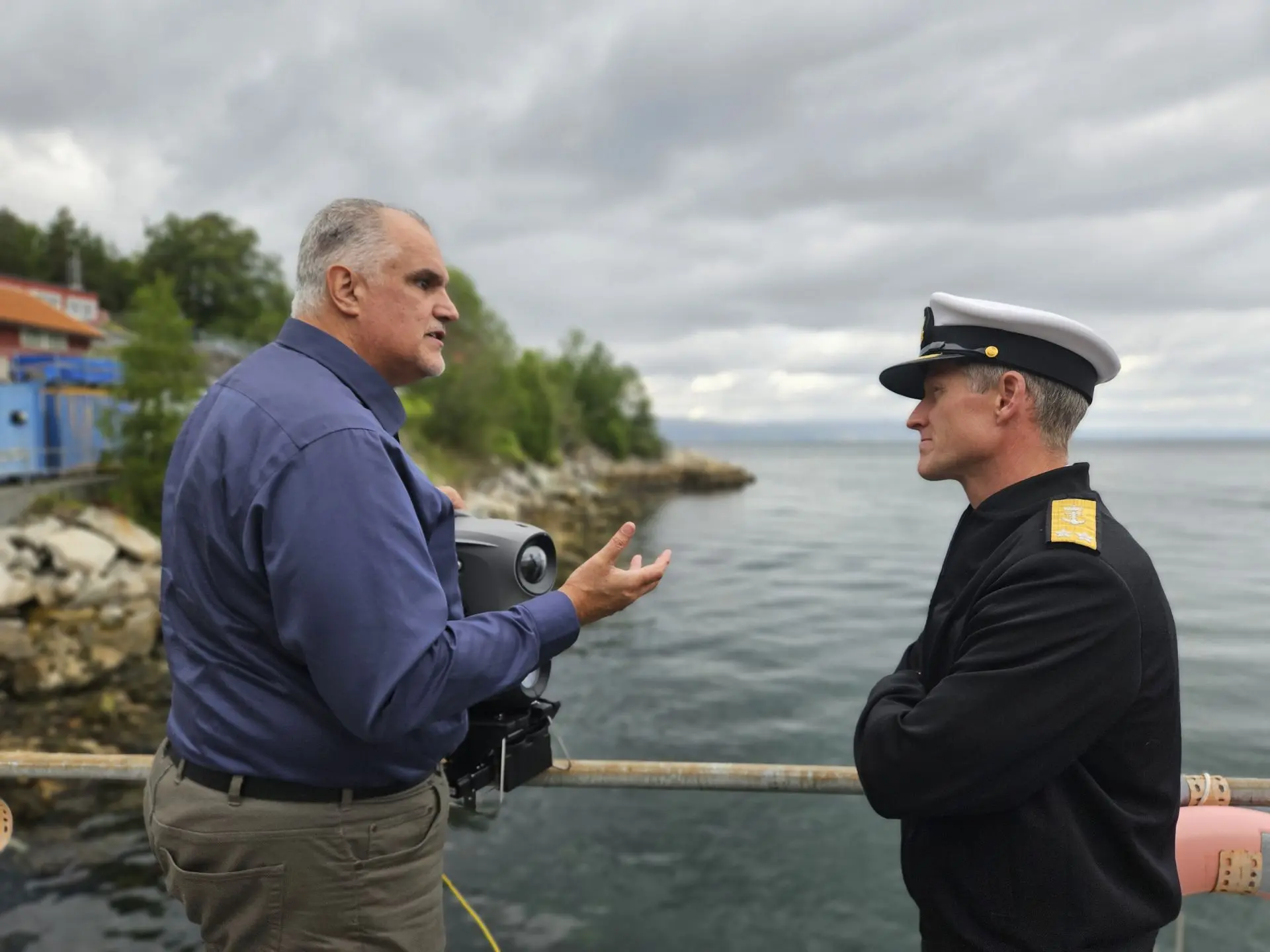
A key focus was the Sonar 3D-15, Water Linked's real-time forward-looking multibeam imaging sonar.
Unlike traditional 2D sonars that require significant interpretation and operator experience, the Sonar 3D-15 delivers intuitive three-dimensional point cloud imagery with every acoustic ping. This allows operators and autonomous systems to better understand their surroundings, improving navigation, obstacle avoidance, and decision-making in challenging underwater environments.
The ability to generate real-time 3D data from a compact, low-power sensor opens new possibilities for autonomous underwater operations, where size, weight, and energy consumption are critical factors.
Supporting Modern Defense Operations
Throughout the event, discussions highlighted several areas where Water Linked technologies can contribute to defense applications.
Underwater Surveillance and Port Security
Protecting ports, naval bases, and critical subsea infrastructure requires persistent underwater awareness. Water Linked's sonar, navigation, and communication technologies can be integrated into AUVs and ROVs to support inspections, monitoring missions, and rapid deployment of surveillance assets.
Mine Counter Measures
Autonomous systems are increasingly being used to reduce risks to personnel during mine detection and clearance operations. Water Linked's compact sensors and navigation solutions enable smaller underwater vehicles to operate effectively while providing accurate positioning, imaging, and mapping capabilities.
Diver Safety and Navigation
Accurate diver positioning and underwater communication remain essential for both training and operational missions. Water Linked's DVL, UGPS, acoustic communications, and 3D imaging technologies can help improve diver safety, navigation, and mission effectiveness in low-visibility environments.
Autonomous Maritime Systems
As defense organizations increasingly adopt autonomous underwater vehicles, reliable navigation, communication, and environmental awareness become critical. Water Linked's technologies support greater autonomy by providing accurate velocity data, underwater communication, and real-time imaging that enable vehicles to operate more independently and efficiently.
Strengthening Norway's Ocean Technology Ecosystem
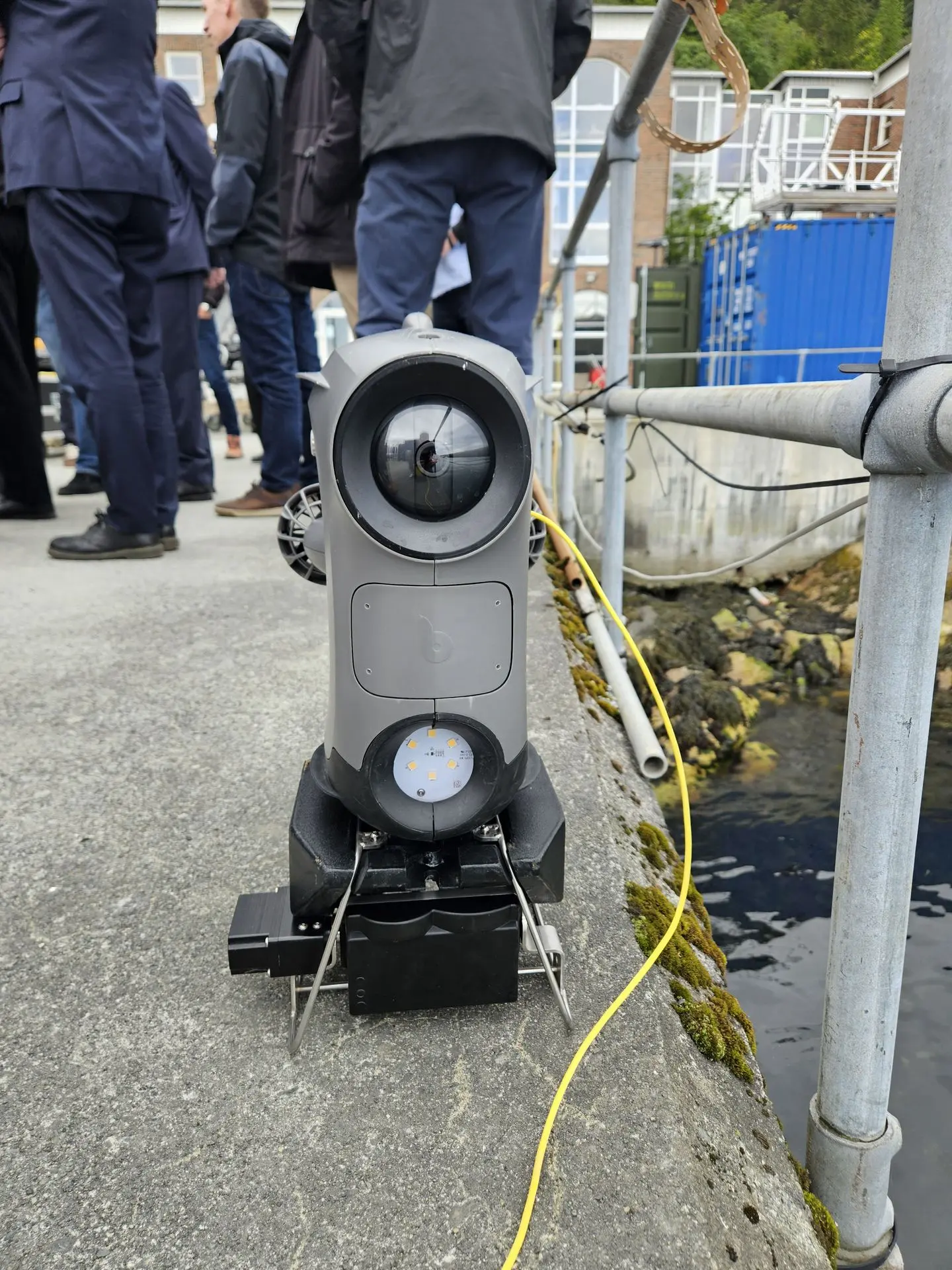
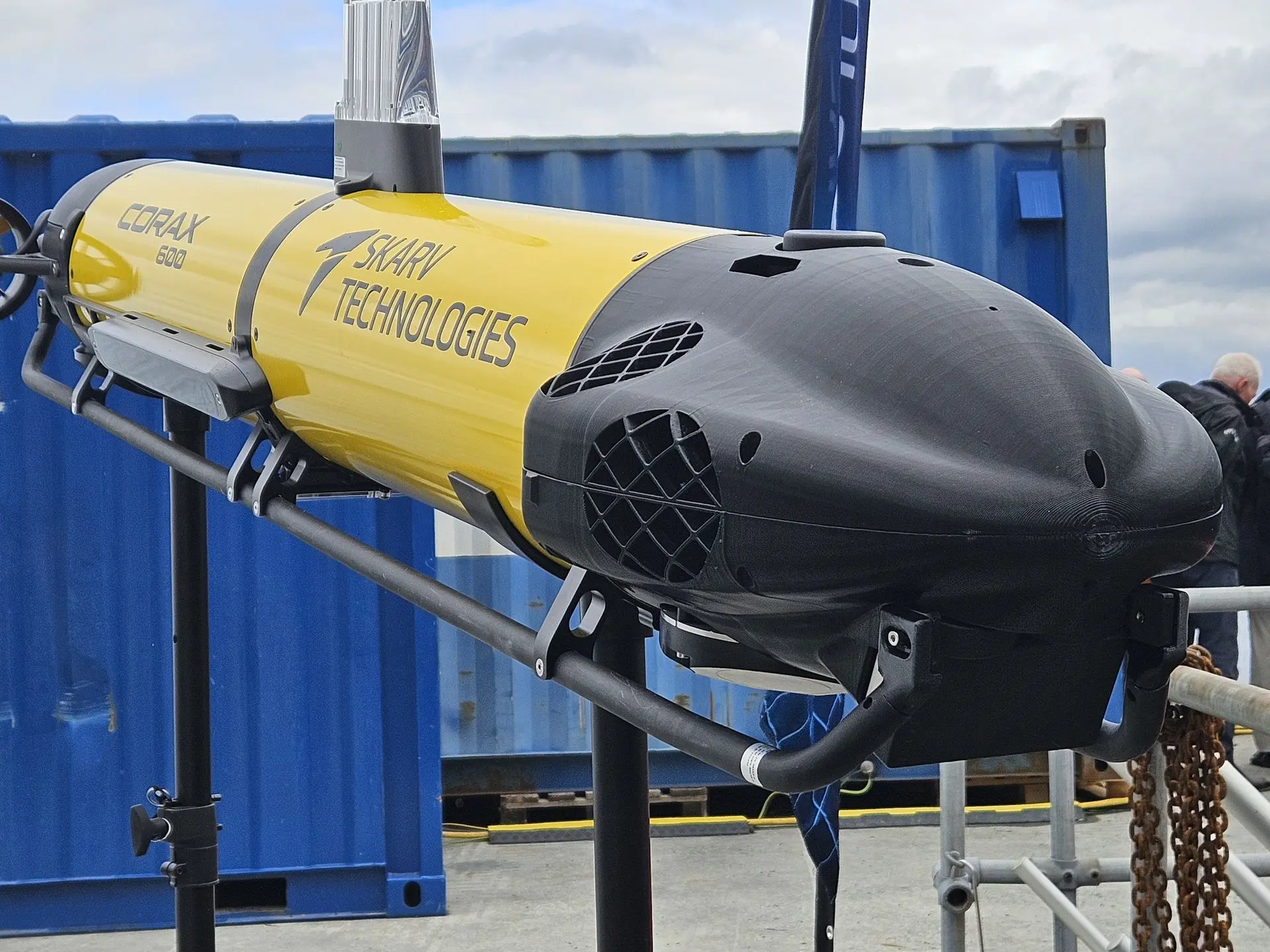
The event also showcased several innovative Norwegian ocean technology companies, including Maritime Robotics, Eelume, Blueye Robotics, and Skarv Technologies. Together with research institutions such as SINTEF and NTNU, these companies represent a strong national ecosystem capable of delivering technologies that enhance maritime security and operational capability.
For Water Linked, the event provided a valuable opportunity to demonstrate how commercially available underwater technologies can support defense organizations in meeting future challenges. As maritime operations become increasingly data-driven and autonomous, compact and accessible technologies will play an important role in enabling safer, smarter, and more effective operations beneath the surface.
We would like to thank SINTEF, NTNU, and the Norwegian Navy representatives for the good discussions and for bringing together industry, research, and defense stakeholders to explore the future of underwater operations.